
Why Solana Analytics and NFT Tracking Are Finally Catching Up (and How to Use an Explorer Like a Pro)
Okay, so check this out—I’ve been poking around Solana dashboards for years. Wow! My first impression was pure excitement, and then friction. Initially I thought the tooling simply needed polish, but then I realized the real gap was in signal vs noise and how explorers surface that info to humans, not just machines. Something felt off about the early UX; it was fast, sure, but also very very opaque.
Whoa! The network moves quickly. Seriously? Transaction finality in seconds changes the game. On one hand fast throughput makes real-time NFT drops and takedowns possible, though actually, wait—let me rephrase that: speed without context is still confusing if you don’t have the right analytics. My instinct said that better tracing, clearer token ownership timelines, and smarter event filters were where explorers could add the most value.
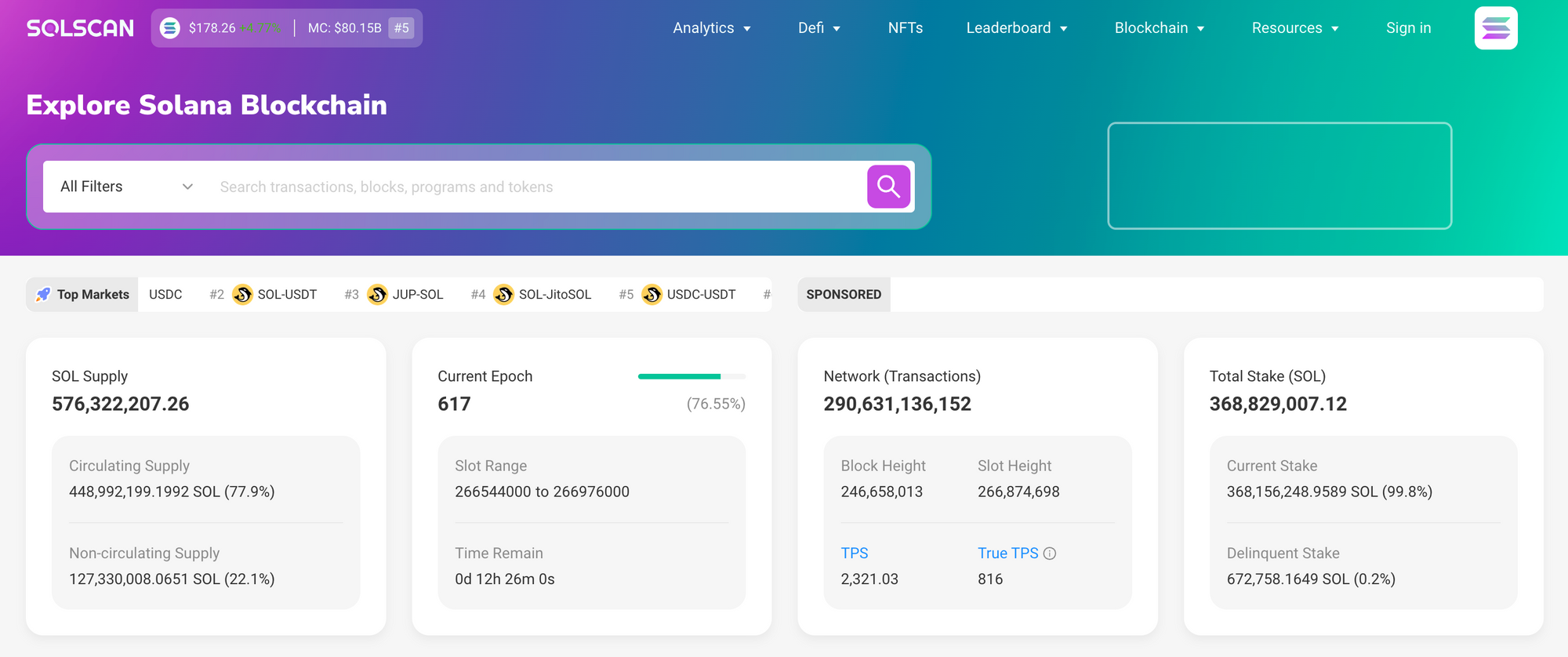
How explorers like solscan change the day-to-day
I’m biased, but I prefer tools that let me answer simple questions fast. Hmm… Who bought that NFT? When did it change hands? What’s the largest holder’s behavior? Those are basic, but they matter. A good explorer shows wallet flows, token metadata evolution, and program logs without making you stitch data from three separate tabs across different sites. For collectors, traders, and devs, one-stop visibility reduces mistakes and missed opportunities.
Here’s the thing. Not all explorers are equal. Some give raw RPC responses with a nice font. Others—well—add analytics layers that track collections, reveal wash trading patterns, and surface mint-drop anomalies. My experience with Solana is that meta-level insights (like cohort ownership and timeline heatmaps) are what turn curiosity into actionable decision-making. On everyday days I use explorers for quick checks. On big drop days I lean on them for real-time triage.
Okay, quick story. In the Bay Area I joined a group chat when a hyped collection was about to mint. People were refreshing wallets and whispering gas strategies like it was 2017 Ethereum. I opened an explorer and watched transactions settle in under a second. Wow. The chaos of human chat matters less when you can see exact program logs and token transfers in real time. (Oh, and by the way… that drop later had weird wash-like loops that the analytics flagged.)
But there are trade-offs. Tools that surface everything can also overwhelm. If you flood a dashboard with charts that no one can interpret, you’ve wasted bandwidth. So a good explorer balances raw telemetry with curated signals—alerts for front-running, abnormal volume, or new holder concentration. That’s where I think the current crop is getting much better, partly because they’ve started to specialize by user persona: collector, builder, trader, investigator.
Hmm… One practical tip: use ownership timelines. Short sentence. They tell you when a wallet first interacted with a mint contract and when it sold—or hodled. Longer sentence: when you combine that with token transfer graphs and program log inspection you can often infer intent, like whether a whale flipped an asset for profit or simply moved inventory for cold storage. My instinct still says patterns are more meaningful than single transactions.
Something else bugs me about basic explorers: too many rely on name tags that are frequently outdated or misattributed. That mislabeling can lead to false assumptions about who controls a collection. I’m not 100% sure why teams haven’t standardized on a better verification flow, but the leading explorers are starting to implement trust signals, on-chain reputation, and cross-verification with known bridges and marketplaces.
Really? Yes. There are also deeper challenges like program-level complexity. Solana programs can emit logs that only make sense in context. A naive interface will show raw log lines. A smart explorer will parse those logs, map them to user-facing events, and expose the relevant JSON fields in a friendly way. Initially that parsing felt like a luxury, but now it’s becoming table stakes for anyone serious about on-chain investigation.
I still use the explorer to debug smart contract interactions. Short sentence. When a transaction fails, the logs are your best friend. Longer sentence: reading program logs alongside token state changes and computed rent-exempt balances lets you pinpoint why a swap failed or why a token account was rejected, which is faster than guessing and re-submitting transactions.
For NFT collectors, the tracking layer matters more than raw speed. Short sentence. Knowing the chain of custody, prior sale prices, and whether an asset was part of batch mints can change your valuation. Longer sentence: put differently, an NFT’s provenance—when combined with holder concentration metrics and marketplace floor movement—creates a much fuller picture than a single trade price ever will, and that has shifted how I assess risk.
On the developer side, build metrics are different. Short sentence. You care about program call distribution, fee spikes, and CPI usage. Longer sentence: these technical metrics can indicate misbehaving contracts or inefficient program paths that harm user experience, and an explorer that exposes such operational telemetry helps teams iterate faster without setting up a bespoke analytics pipeline.
I’m fond of a couple of practical workflows. First, set filters for mint events and abnormal transfer sizes. Wow! Second, correlate on-chain events with off-chain chatter (Discord, Twitter) but always verify with program logs. Third, snapshot ownership and watch for thinly spread distribution that suggests centralization risk. These steps are simple, but they save you from common traps.
On the topic of wallets and privacy: Somethin’ to keep in mind is that chain transparency cuts both ways. Short sentence. Aggregated analytics can reveal patterns you might not want surfaced. Longer sentence: hence reputable explorers often provide investigator tooling while still encouraging responsible disclosure and privacy-aware features, which is a balance that will evolve as regulators and markets mature.
I’m not perfect here; I miss things sometimes. Double-checks are vital. Actually, wait—let me rephrase that: even with the best tools you’re trading probability and confidence, not certainty. On Main Street or Wall Street, decisions are about risk management as much as insights. An explorer helps you measure that risk faster.
One more quick note on NFTs: watch for metadata deltas. Short sentence. When token metadata changes unexpectedly, alarms should ring. Longer sentence: explorers that index off-chain metadata snapshots and show diffs over time give collectors and compliance teams a fast way to detect rug pulls, malicious updates, or accidental metadata corruption before it’s too late.
Common questions
How do I spot wash trading or price manipulation?
Look for cyclical transfers between related addresses, short-term flipping patterns, and sudden concentration by previously inactive wallets; combine that with timeline and volume charts to form a hypothesis, then validate through program logs and on-chain signatures.
Which metrics matter most for NFT collectors?
Ownership distribution, first-sale price, resale velocity, metadata stability, and linked marketplace listings—these together paint a clearer picture than any single number, so use an explorer that ties them into one view.
Can explorers help developers debug programs?
Absolutely. Transaction logs, CPI traces, and account snapshots are essential; a good explorer will show pre- and post-state for accounts involved in a transaction so you can spot where assumptions break down.
Alright, I’m wrapping up but not really done—there’s always more to learn. My final mood is cautiously optimistic. The tooling is maturing, with explorers becoming more than just block browsers; they’re turning into decision engines. If you’re serious about Solana work—collecting, building, or trading—you should get comfortable using an explorer that surfaces both the raw facts and higher-level signals.
Here’s a small nudge: try combining rapid checks with deeper log dives, and don’t ignore simple filters. You won’t catch everything, and that’s okay. The network will keep moving. Route 66 vibes aside, this is still early days, and the best practices are being written on the fly.